In the ever-evolving world of digital marketing, Facebook Ads stand as a cornerstone for brands looking to connect with their audience. With more than 2.9 billion monthly active users across its ecosystem—including Facebook, Instagram, Messenger, and WhatsApp—Meta offers a massive advertising platform that is unmatched in terms of reach and versatility. But what exactly makes Facebook Ads so powerful, and how can businesses harness their full potential? Let’s dive deep into the advantages, reach, and promising future of Facebook advertising.
1. The Expansive Reach of Facebook Ads
When we talk about reach, Facebook’s scale is unparalleled. With billions of users, it covers diverse demographics, from Gen Z to Baby Boomers, across various geographical locations. This massive user base allows businesses to connect with potential customers, whether they are targeting local markets or a global audience.
Facebook’s audience insights tool allows advertisers to refine their target audience based on multiple criteria, including age, location, interests, online behavior, and even life events. For instance, a company selling wedding-related services can specifically target users who have recently changed their relationship status to “Engaged.” This level of precision ensures that your ads are reaching the right people at the right time.
Moreover, the platform’s integration with Instagram and Messenger expands the reach further. Meta’s ability to cross-promote ads on different platforms allows for an integrated approach, making it easier for brands to maintain a cohesive marketing strategy across multiple channels. This seamless integration helps maximize ad visibility and enhances user engagement.
2. Advantages of Using Facebook Ads
 facebook advantage
The benefits of using Facebook Ads are numerous, making it a key tool for any business aiming to grow its online presence. Here are some major advantages:
A. Advanced Targeting Capabilities
One of the biggest strengths of Facebook Ads is its powerful targeting options. Advertisers can create highly specific audiences based on various parameters like demographics, interests, behaviors, and more. With features like Custom Audiences and Lookalike Audiences, businesses can reach existing customers or find new potential customers who share similar characteristics with their existing clientele.
For example, if you own a fitness brand, you can target users who follow fitness-related pages, have shown interest in fitness products, or have engaged with health and wellness content. This precision in targeting helps in reducing ad spend wastage and improves return on investment (ROI).
B. Cost-Effective Advertising
Compared to traditional advertising methods, Facebook Ads are incredibly cost-effective. Advertisers have full control over their budget, allowing them to set daily or lifetime budgets, as well as bid strategies. This flexibility means that businesses of all sizes, from startups to large corporations, can leverage Facebook Ads without overshooting their marketing budget.
Additionally, the pay-per-click (PPC) model ensures that you only pay when someone clicks on your ad, making it a performance-driven approach. This feature helps in optimizing ad spend and measuring the direct impact of your campaigns.
C. Diverse Ad Formats
Facebook offers a variety of ad formats, catering to different marketing goals. From engaging image and video ads to interactive Carousel and Collection ads, brands can choose formats that best suit their campaign objectives. Video ads, in particular, have seen a surge in popularity due to their ability to tell a compelling story in a short amount of time.
Interactive ad formats like polls and quizzes also boost engagement by encouraging users to interact with the ad. These dynamic formats not only enhance user experience but also provide valuable insights into customer preferences.
D. Powerful Analytics and Performance Tracking
The Facebook Ads Manager provides in-depth analytics and reporting tools that allow businesses to monitor the performance of their campaigns in real time. Metrics such as reach, engagement, conversion rates, and cost per result help marketers evaluate the effectiveness of their strategies and make data-driven decisions.
By analyzing these metrics, businesses can identify what works best for their audience, allowing them to refine their targeting, messaging, and ad formats for better results. The availability of such detailed analytics ensures that marketing efforts are continuously optimized for maximum impact.
3. Future Prospects of Facebook Advertising
The future of Facebook Ads looks bright as the platform continues to innovate and adapt to the changing digital landscape. Here are some key trends shaping the future of Facebook Ads:
A. AI and Machine Learning Integration
Meta has already started leveraging AI and machine learning to enhance ad targeting and personalization. As these technologies advance, we can expect even more precise targeting, automated ad creation, and real-time optimization. AI-driven features like Advantage+ campaigns use machine learning to automatically adjust ads based on performance, helping marketers achieve better outcomes with less manual effort.
B. Rise of Augmented Reality (AR) Ads
With the growing popularity of augmented reality, Facebook has introduced AR ads that allow users to try products virtually. For example, a cosmetics brand can use AR ads to let users virtually try on makeup before making a purchase. This interactive experience not only engages users but also helps in boosting conversion rates by providing a “try before you buy” option.
C. Privacy and Data Protection Enhancements
As data privacy concerns rise, Meta is implementing changes to ensure user data is protected. The introduction of the iOS 14.5 update and new privacy laws has impacted how ads are targeted. In response, Facebook is developing new solutions like Conversions API, which allows businesses to track customer actions on their own servers, providing a way to measure ad performance while respecting user privacy.
D. Expansion into E-commerce
Meta is doubling down on its e-commerce capabilities with features like Facebook Shops and Instagram Shopping. These tools enable businesses to set up virtual storefronts, allowing users to browse products and make purchases directly from the platform. The integration of shopping features with ads creates a seamless experience, reducing friction in the customer journey and driving higher sales.
4. Maximizing the Potential of Facebook Ads
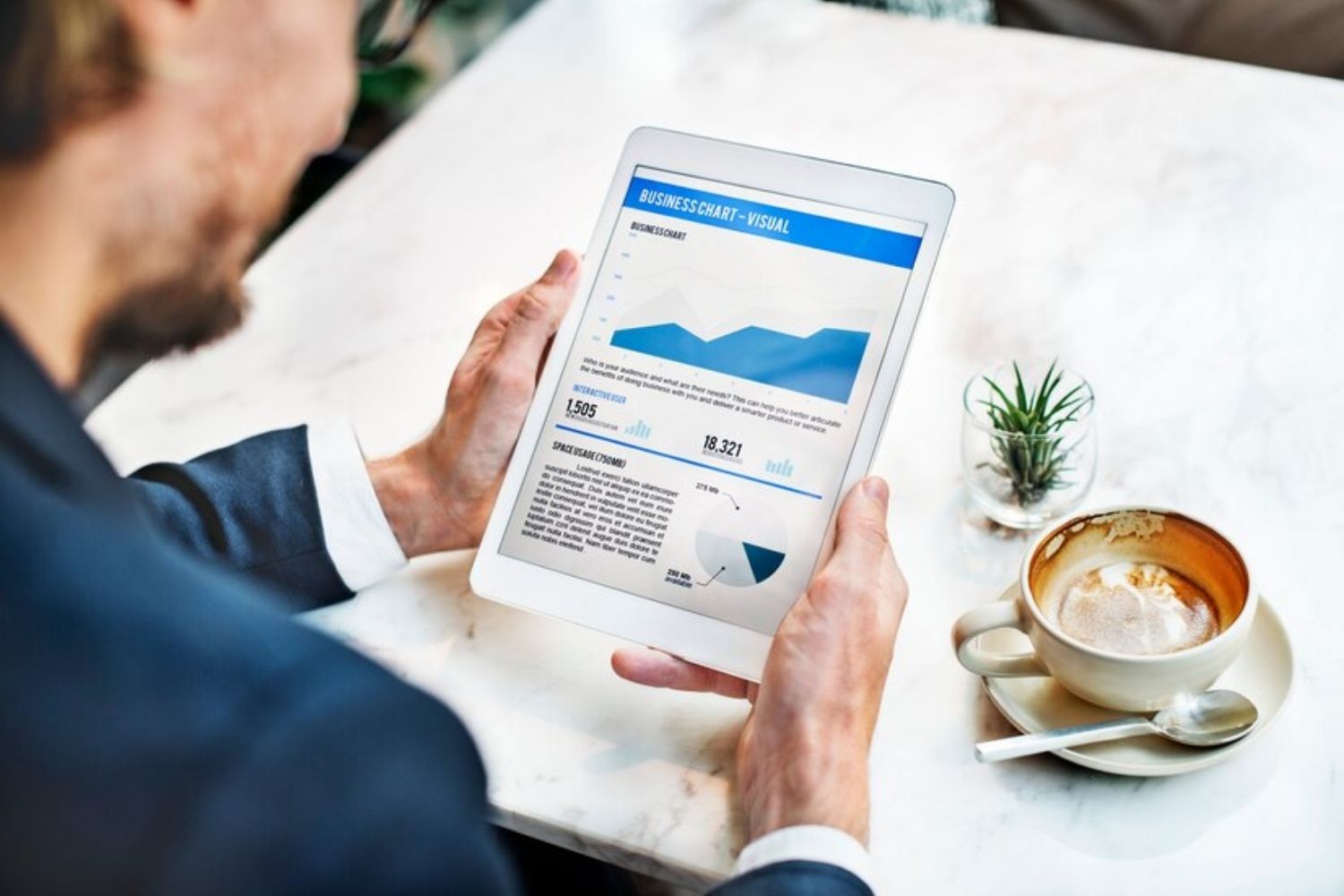 Facbook Analytics
To fully harness the power of Facebook Ads, businesses need to adopt a strategic approach. Here are some tips:
-
- Regularly Test and Optimize: A/B testing different ad creatives, headlines, and CTAs can help determine what resonates most with your audience.
-
- Leverage Retargeting: Use retargeting strategies to re-engage users who have previously interacted with your brand but have not yet converted.
-
- Focus on High-Quality Visuals: Eye-catching visuals and compelling videos are more likely to capture user attention, especially on mobile devices.
-
- Utilize Custom Audiences: Create Custom Audiences based on your website visitors, email subscribers, or app users to target people who are already familiar with your brand.
- SEO & SEM: Focus on AI assisted SEO & SEM for better traffic generation.
Conclusion
Facebook Ads offer a powerful platform for businesses to reach a vast audience, engage with potential customers, and drive sales. With its advanced targeting, cost-effectiveness, and diverse ad formats, it continues to be a preferred choice for marketers worldwide. As Meta embraces new technologies like AI, AR, and enhanced privacy measures, the future of Facebook Ads is set to be even more dynamic and promising. By staying informed about these trends and continually optimizing strategies, businesses can unlock the full potential of Facebook Ads and achieve long-term success.